
Blinds Cleaning
What makes blinds tricky after water in Freshwater?
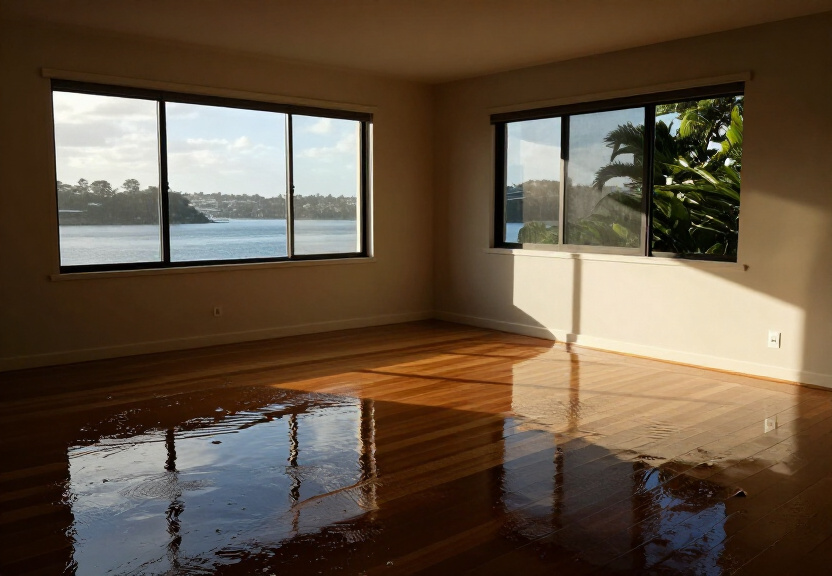
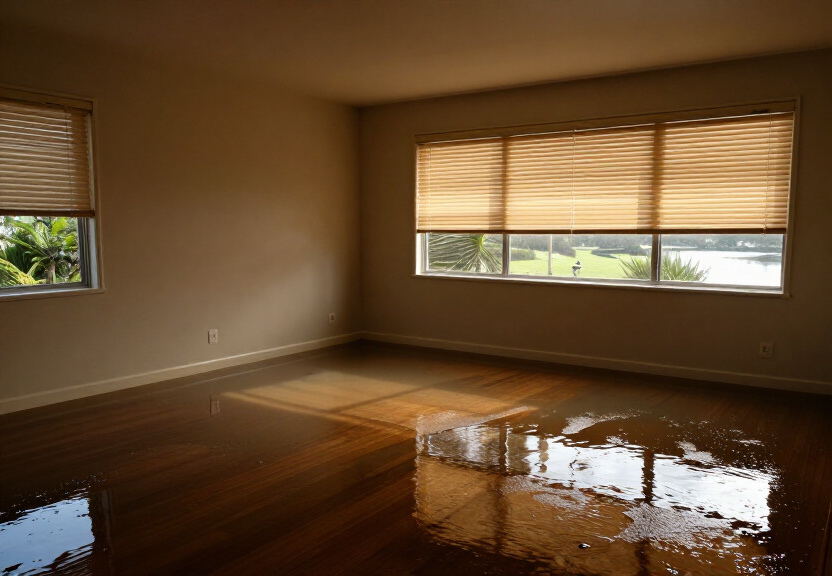
Freshwater homes often have coastal air and frequent humidity. When water events occur, blinds can trap moisture in the headrail, folds, and slat edges, then slowly release odours back into the room.
In apartments and townhouses around Freshwater, blinds are commonly in bedrooms, kitchens, and living areas where airflow is limited. If water sits for long enough, grime combines with moisture and becomes harder to remove.
Even if floors look dry, blinds can still carry dampness that encourages persistent smells. That is why cleaning needs to be more than a quick wipe.

Our approach starts with a practical assessment, then targets moisture residue, dirt buildup, and odour sources in the blind structure before everything is fully dried.
Warning signs you should not ignore
If you notice any of the following in your Freshwater home, get blinds cleaned as soon as possible.
- Musty or “wet carpet” type odour that returns after you open windows
- Sticky slats or sluggish lift where grime has mixed with moisture
- Visible streaking or dark patches along louvres or the headrail
- Damp feeling when you touch blind fabric edges or tilt slats
- Dust that clumps quickly after cleaning
- Water marks near the top of the window or around ceiling trim where blinds meet the wall
What you can expect after blinds cleaning
Our goal is clean blinds that do not keep bringing the problem back into your rooms. Depending on the condition, results typically include:


Why Flood Restoration Service Sydney handles blinds differently
- We treat blinds as a moisture and odour problem, not just a dust problem, so the cleaning targets the areas where moisture sits.
- We use a structured process for removal of residue in louvers, folds, and blind tracks common in Freshwater windows.
- We factor in after-hours and time-sensitive situations so you can get your rooms back to usable condition sooner.
- We provide clear prep steps to reduce the amount of debris that resettles onto freshly cleaned windows.
- We focus on practical drying and reassembly so blinds do not reintroduce smells as the week goes on.
- We also consider nearby surfaces like curtains, window frames, and skirting that can hold moisture residue and worsen odours.
Where blinds are most often affected in Freshwater
Residential properties in Freshwater
Common situations we handle in houses, duplexes, and apartments after urgent water events.
- Upstairs water overflow or roof leaks where water runs along window edges and soaks into blind folds.
- Kitchen or laundry plumbing issues that leave damp residue near blinds and tracks.
- After heavy rain, coastal humidity can worsen musty odours already trapped in window furnishings.
Commercial and shared spaces near Freshwater
Blinds in offices, clinics, and small shops can be affected by overhead leaks or burst pipes, especially in high-use window areas.
- Break-room and reception windows where blinds are exposed to humidity and frequent cleaning traffic.
- Retail fit-outs where blinds cover large glass areas and can trap moisture quickly.
- Shared apartment lobbies and common rooms where odours can travel through the building.
Benefits of acting quickly
Cleaner rooms, not just cleaner blinds
Removing moisture residue from blind headrails and slats can reduce the chance that odours linger in the room.
Less time with blinds out of use
Our process is designed for same-day responsiveness so you can get blinds back up sooner than waiting.
Targeted cleaning for high-trap areas
We focus on where dirt and water mix, including tracks, folds, and edges that quick wipes often miss.
Help for odour-related discomfort
When water events happen, odour can return after the first “surface clean”. Our cleaning includes odour-aware steps.
A practical, emergency-first approach
When blinds are affected by urgent water events, delaying cleaning can turn a fixable residue issue into a more persistent odour problem. We prioritise a prompt onsite response in Freshwater.
Freshwater blinds cleaning across 2096 and nearby areas
Serving homes and businesses in Freshwater including streets and apartment clusters around the 2096 area. We also frequently assist nearby suburbs along the Northern Beaches corridor when water damage and odours spread across rooms and window furnishings.
Freshwater blinds cleaning FAQs (water-affected)
As soon as possible. If blinds feel damp, look streaked, or give off musty odours, cleaning sooner helps prevent residue from setting in and reduces the chance odours return later.
Some markings fade after cleaning, especially when residue is removed quickly. If stains have set for a while, cleaning can still reduce the look and odour, but results depend on how long moisture sat in the blind structure.
Usually, you can leave blinds in place so we can assess what needs to be cleaned and how. We will advise what is safe to do before we start based on the situation and your blind type.
If it is safe to do so, ventilate the room, avoid opening only the blinds without addressing moisture sources, and keep air moving. If you have water pooling near windows, address that first, then schedule cleaning promptly.
Yes. Odour can travel through the room as blinds release moisture and trapped particles when conditions change. That is why we focus on blind components and also consider nearby surfaces that may share the same moisture exposure path.
Yes, when they are part of the same affected area. If you tell us what else was exposed, we can help plan the order so you get the biggest improvement first.
Local feedback from Freshwater property owners
"Our blinds started smelling musty after a leak. The team came quickly and the room felt usable again much sooner than we expected."
"They paid attention to the headrail and the little edges where water had sat. The blinds stopped sticking and the smell reduced."
"We run a small office. After a pipe issue, the blinds were the last thing that still felt “wet”. The cleaning helped our space feel fresh again."
Other helpful services after urgent water events
Water Damage Restoration
Sydney’s mix of older homes, high-density apartments, and commercial buildings means water damage can spread quickly if not addressed.
Learn More →
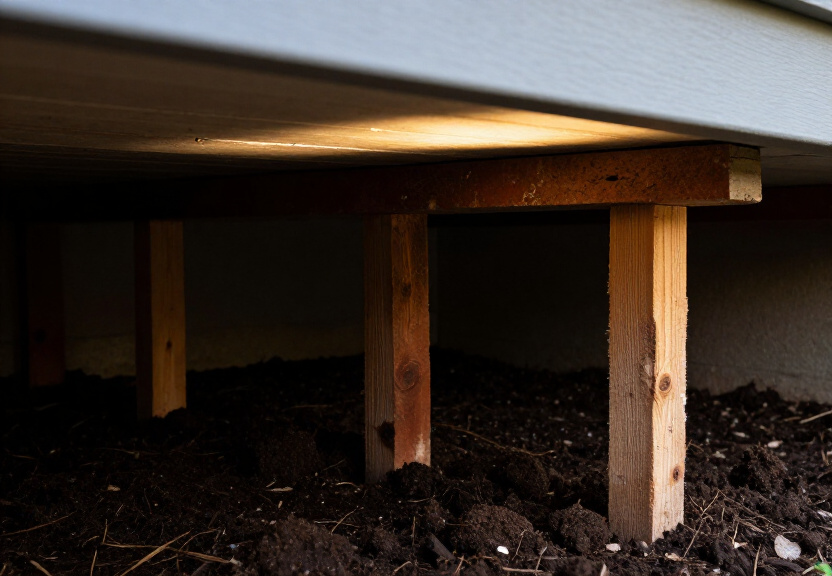
Subfloor Moisture Removal
Sydney’s older homes, particularly those with timber floors or raised foundations, are prone to subfloor moisture buildup.
Learn More →
Water Extraction And Removal
Water damage can escalate quickly, leading to structural issues, mould growth, and health risks.
Learn More →
Structural Drying
Structural drying is a critical step after water damage, flooding, or leaks.
Learn More →
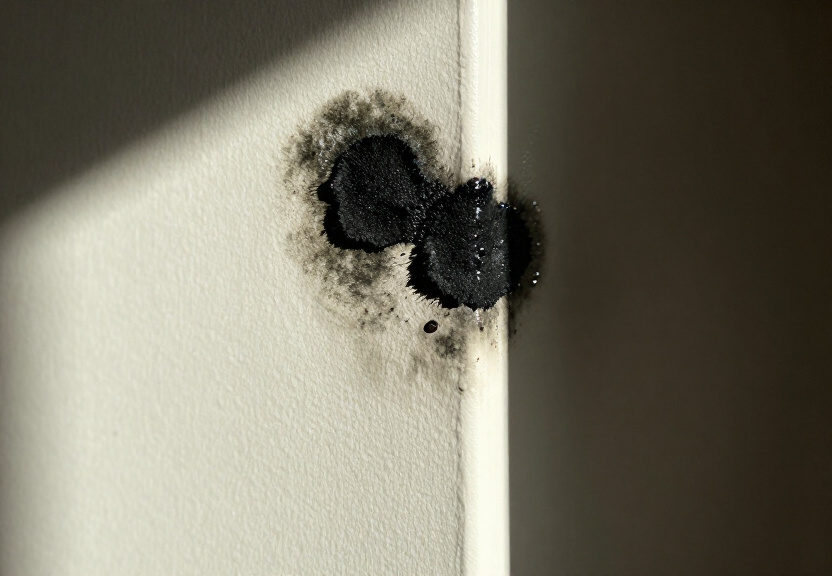
Mould Removal
Mould growth in Sydney properties can spread quickly, especially in damp areas like basements, bathrooms, and wall cavities.
Learn More →
Odour Removal
Sydney’s mix of older homes, high-density living, and humid conditions can trap odours in unexpected places.
Learn More →
Mould Prevention Treatment
Sydney’s varied property types, from older terrace homes in the inner suburbs to modern apartments and commercial buildings, all face unique water damage risks.
Learn More →
Couch Cleaning
Same-day couch cleaning support for Sydneysiders dealing with damp, odour, or post-flood mess. Call now for a practical plan.
Learn More →
Curtain Cleaning
Same-day curtain cleaning support when dampness, smells, or sanitation concerns show up after leaks, flooding, or storm-related water.
Learn More →Blinds Cleaning
Same day response available for urgent blinds cleaning after water exposure, condensation, or smoke-like odours.
Learn More →
Mattress Cleaning
Mattress Cleaning in Sydney to remove trapped moisture, odours, and residues, with fast extraction and drying.
Learn More →
Rug Cleaning
Same-day rug cleaning support for Sydney properties, including wet fibre extraction, targeted stain treatment, and drying-first cleaning.
Learn More →